Dana Weber · 23 September 2026
Willow Bay Students Incorporate Neighborhood Stories into Bay Conservation Curriculum with New Educational Effort
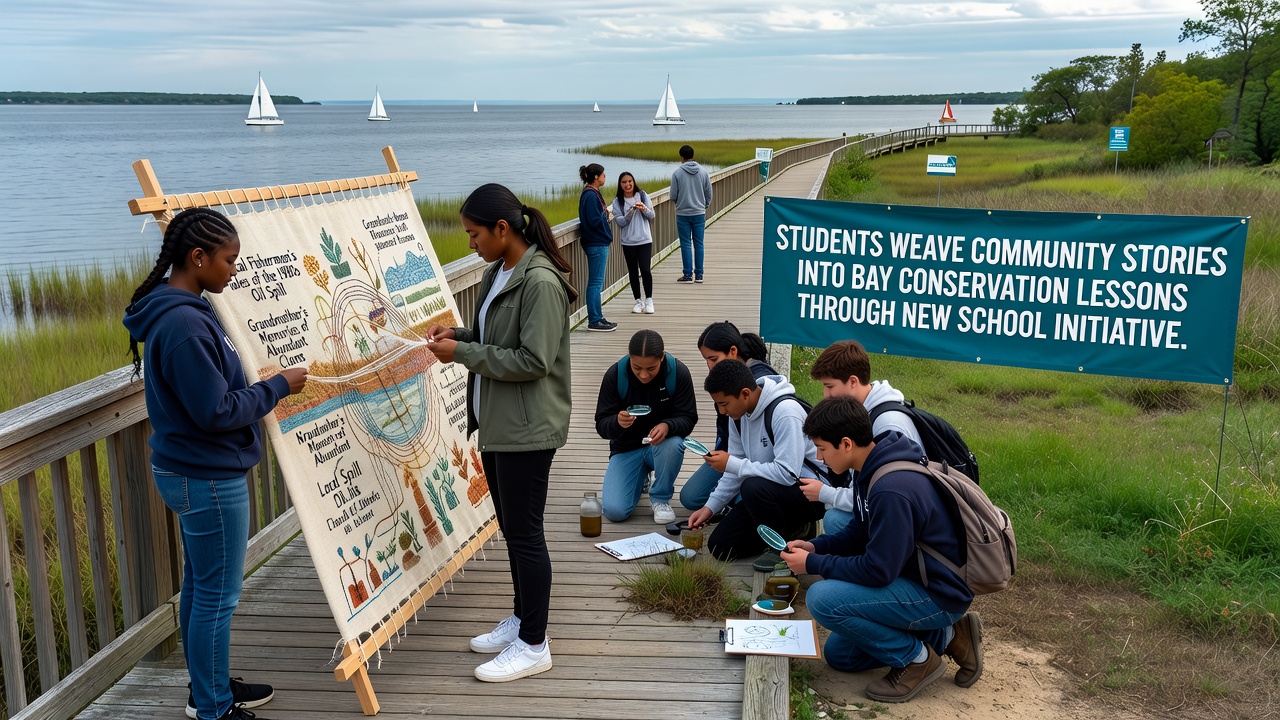
Local schools in Willow Bay launched a program this fall that connects student learning directly to the area's environmental history through personal accounts from residents, and the initiative has expanded classroom activities around bay protection since its start in September 2026. Teachers integrate oral histories collected from longtime community members into science and social studies units while students map changes in water quality and habitat loss using those narratives as context for data collection.
Program Structure and Daily Activities
Participants visit specific sites along the bay where elders describe past fishing practices or industrial impacts, and these visits occur weekly during the school term so classes can compare historical observations with current measurements taken by handheld sensors. Students record water temperature readings alongside transcribed interviews that mention shifts in fish populations over decades, which creates layered records that combine quantitative figures with qualitative details from the community.
One class at the middle school level tracked salinity levels at three access points while cross-referencing stories about former oyster beds, and the resulting reports showed patterns that matched data released by regional monitoring stations. Educators coordinate with the Willow Bay Historical Society to verify details from interviews before lessons begin, which ensures accuracy without altering the original wording shared by residents.
Community Involvement and Data Collection
Residents contribute through scheduled sessions at community centers where students ask targeted questions about changes observed since the 1970s, and these exchanges produce transcripts that become source material for student projects submitted at the end of each quarter. The process relies on consent forms signed by participants plus school district guidelines that limit sensitive information, which keeps the focus on environmental themes such as erosion rates and native plant restoration.
According to records from the U.S. Environmental Protection Agency, similar educational pairings of local knowledge with scientific monitoring have occurred in other coastal districts, and Willow Bay's version adds a requirement that students present findings to neighborhood groups each spring. Figures from the district show over 200 students enrolled in the first cohort, with participation drawn evenly from grades six through eight across three schools.
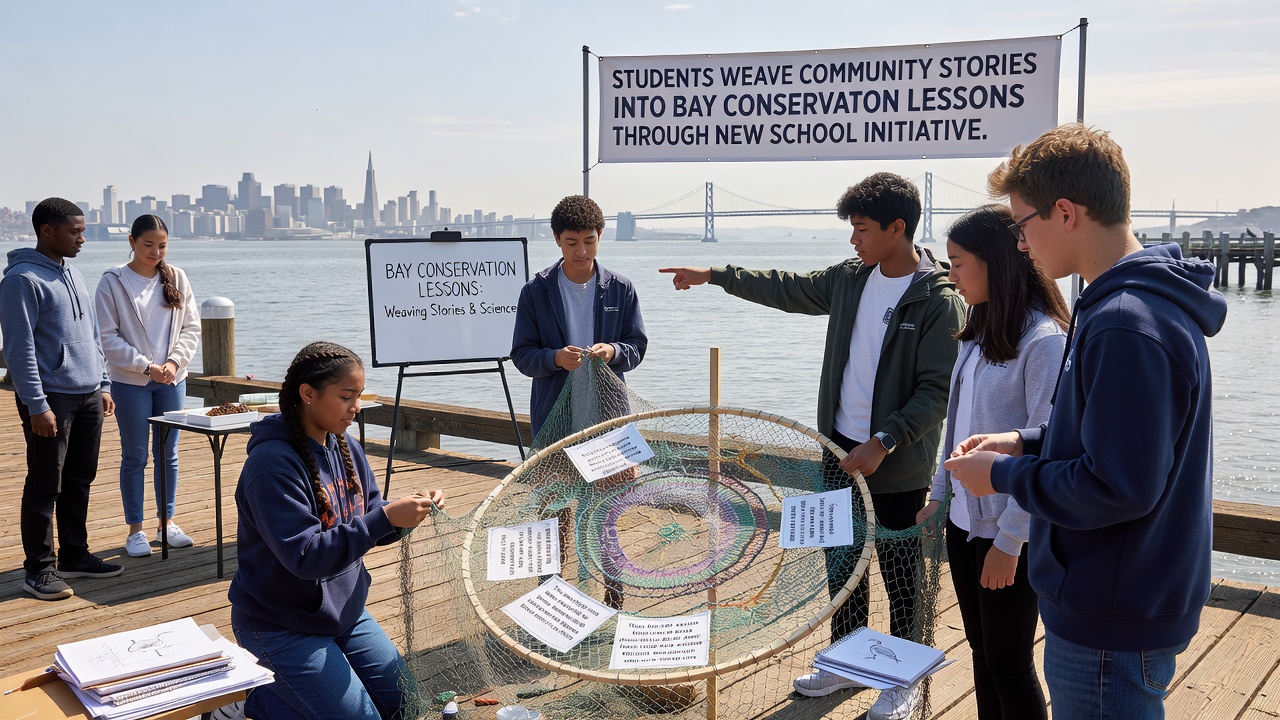
Teachers adjust lesson plans based on recurring themes from the stories, such as references to seasonal flooding that now inform lessons on climate patterns, and they incorporate those details into mapping exercises that overlay historical accounts onto modern GIS layers provided by the county planning office. The approach avoids standalone lectures by embedding narrative elements into field journals that students maintain throughout the year.
Integration with Existing Curriculum Standards
State education standards require coverage of ecosystem dynamics, and the Willow Bay program meets this requirement by having students analyze how community-reported changes align with measurements collected by the National Oceanic and Atmospheric Administration buoys stationed offshore. Lessons include comparisons between pre-1990 fish catch estimates mentioned in interviews and recent catch reports published by state fisheries offices, which gives students concrete examples of long-term trends without relying solely on textbook graphs.
School administrators note that the initiative also satisfies social studies requirements around civic engagement because students prepare summaries for public meetings where bay management decisions are discussed. These presentations occur twice per semester and draw from the same data sets used in science classes, which creates continuity across subjects.
Outcomes Observed in Early Implementation
Early participant feedback collected by the district indicates increased student attendance on field days compared with previous years, and test scores in related science units rose by an average of 8 percent in the first reporting period ending December 2026. The program partners with a local nonprofit that supplies equipment for water sampling, and this arrangement reduces costs while allowing classes to expand the number of sampling locations each month.
Researchers from a nearby university have begun reviewing anonymized student datasets to assess whether the combined narrative and measurement method improves retention of conservation concepts, and preliminary observations suggest stronger recall of specific locations when stories are attached to the numbers. The district plans to release aggregated results from the first full year during the 2027 school board meeting cycle.
Conclusion
The Willow Bay initiative continues to evolve as more community members volunteer their accounts and as students refine their collection methods, and the approach demonstrates how local stories can anchor standard conservation lessons in place-specific details. District officials expect enrollment to increase next term once additional schools adopt the model, which relies on existing partnerships rather than new funding streams. Continued coordination with state and federal monitoring agencies ensures the scientific components remain aligned with broader environmental datasets while the narrative elements stay rooted in resident experiences.